
Hungary Turns the Page as Orbán's 16-Year Rule Comes to an End
A new chapter begins in Hungarian politics
After more than a decade and a half in power, Viktor Orbán's era has concluded. What does this mean for Hungary, the European Union, and democratic governance in the region?
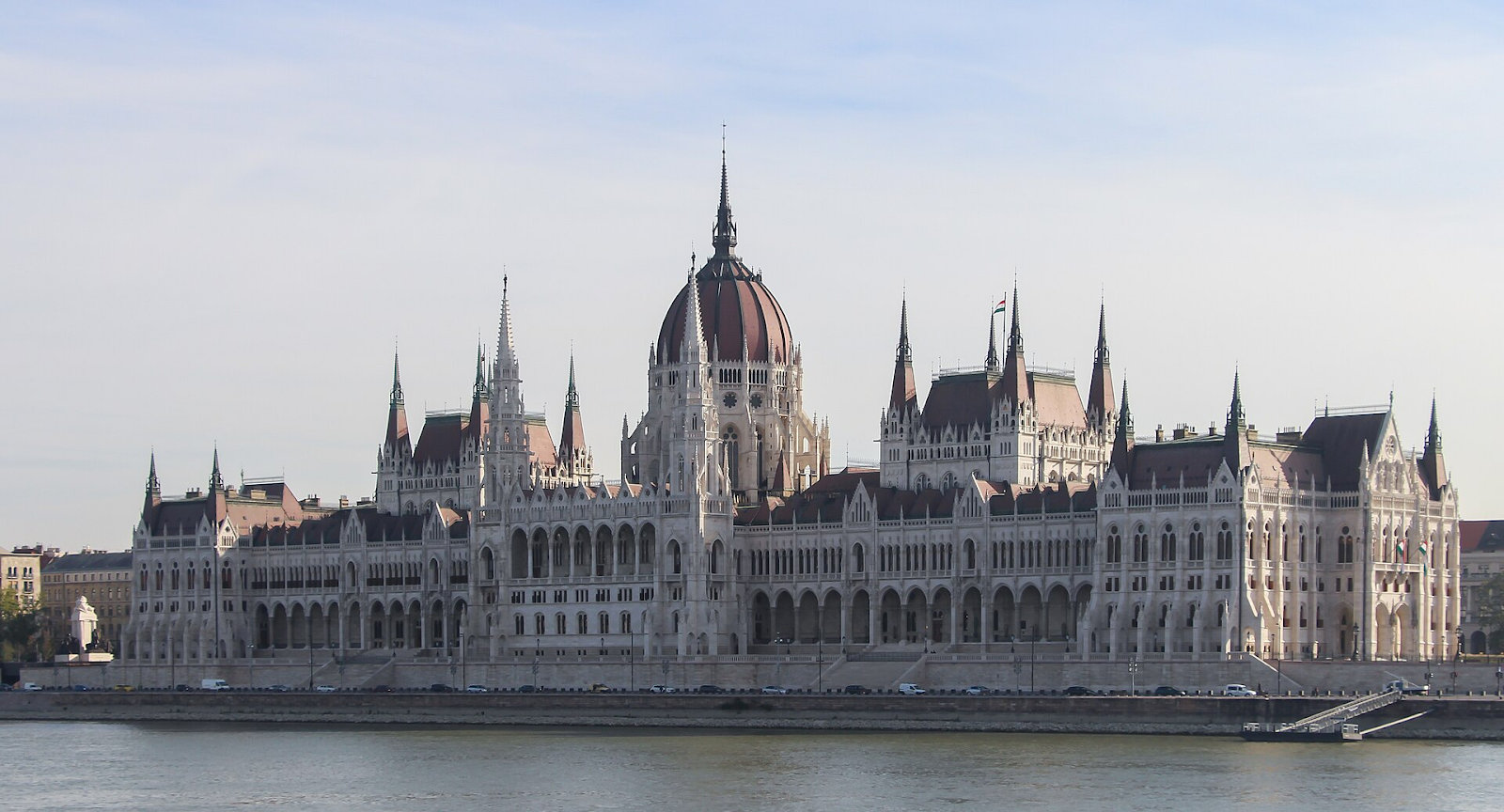
Hungary has entered a new political chapter as Viktor Orbán's 16-year tenure as Prime Minister has come to an end. The transition marks one of the most significant political shifts in Central Europe in recent years.
The End of an Era
Orbán, who served as Prime Minister from 2010 to 2026, shaped Hungary's political landscape in ways that often put the country at odds with European Union institutions. His departure raises questions about the future direction of Hungarian domestic and foreign policy.
EU Relations
The European Union will be watching closely as Hungary's new leadership navigates relations with Brussels. Years of tensions over rule of law issues, judicial independence, and media freedom have strained the relationship between Budapest and EU institutions.
Regional Implications
Hungary's political transition may have ripple effects across Central Europe, where similar political movements have gained ground in recent years.

Editorial Team
The editorial team at Kateb Media brings together journalists, analysts, and researchers committed to clear reporting and meaningful storytelling.
View profile