
What the New U.S. Marijuana Reclassification Actually Changes
A closer look at the policy shift and its implications
The United States has taken a historic step in reclassifying marijuana, but what does this actually mean for federal law, research, and the global drug policy conversation?
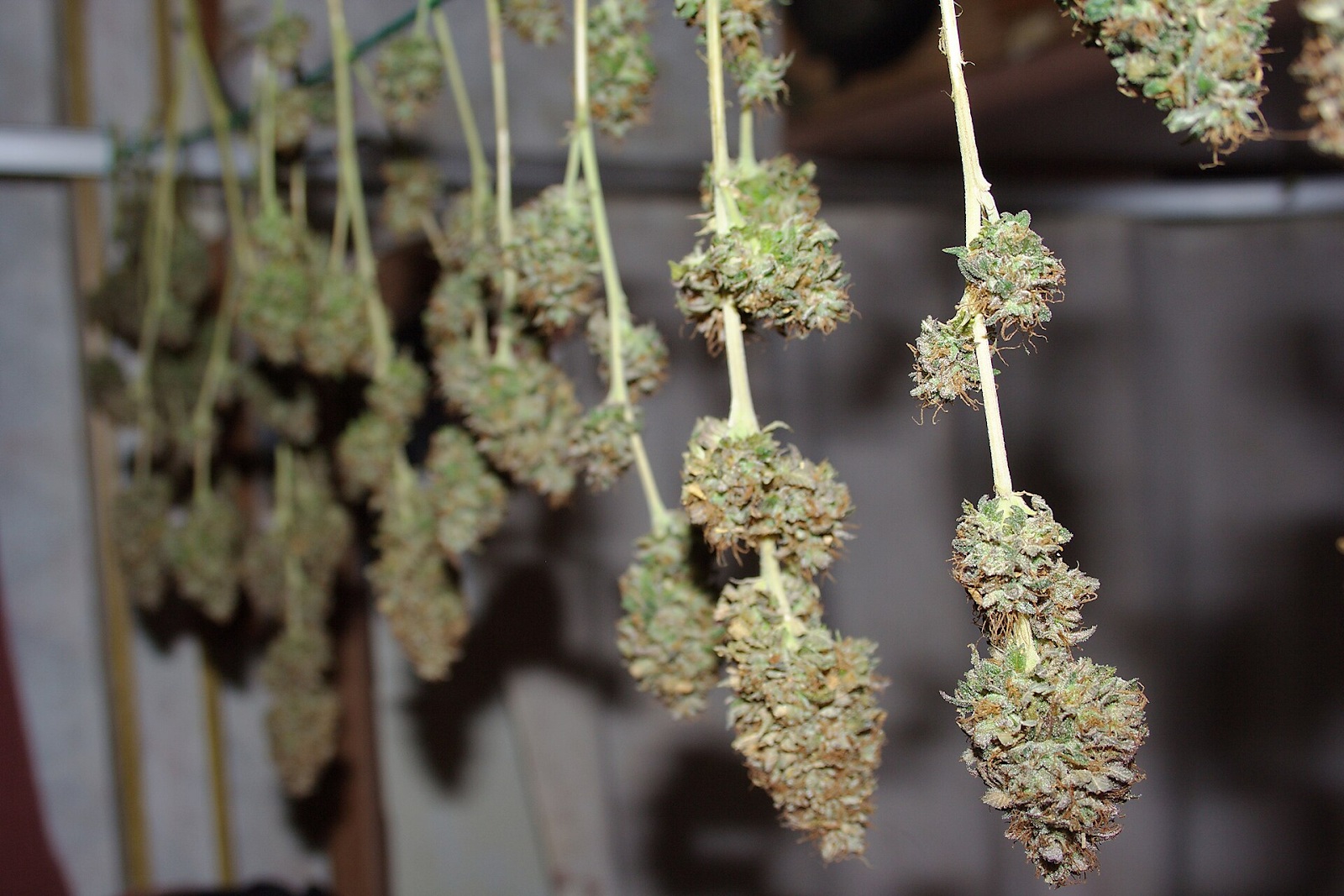
The United States has taken a historic step in reclassifying marijuana from Schedule I to Schedule III under the Controlled Substances Act. This policy shift, while significant, comes with nuances that are important to understand.
What Changed
The reclassification moves marijuana from the most restrictive category—alongside heroin and LSD—to a category that includes drugs like ketamine and testosterone. This acknowledges that marijuana has accepted medical uses and a lower potential for abuse than Schedule I substances.
Implications for Research
One of the most significant impacts will be on scientific research. Schedule I classification has long created barriers for researchers studying marijuana's medical applications. The new classification should make it easier to conduct clinical trials and expand our understanding of both benefits and risks.
What Remains Unchanged
It's important to note that marijuana remains federally illegal for recreational use. The reclassification does not legalize marijuana nationwide, and state-level policies will continue to vary significantly.
Global Context
This shift in U.S. policy may influence international drug policy discussions, particularly as more countries reconsider their approaches to cannabis regulation.
Source: creative common

Editors
Our editorial team oversees news coverage, analysis, and content quality at Kateb Media.
View profile