Afghanistan's Education Crisis and the Cost of Lost Opportunity
A generation faces an uncertain future
As restrictions on education continue to affect millions of Afghan students, particularly girls, the long-term consequences for the country's development become increasingly clear.
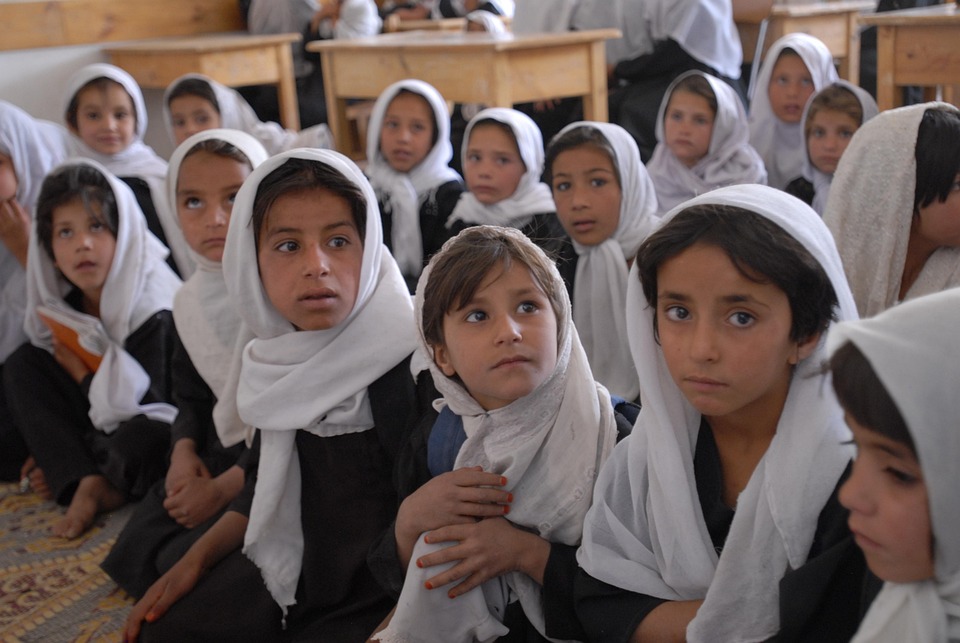
The ongoing restrictions on education in Afghanistan represent not just a crisis of the present, but a mortgage on the country's future. With millions of students—particularly girls—denied access to education, the consequences will be felt for generations.
The Scale of the Crisis
Before the current restrictions, Afghanistan had made significant progress in expanding educational access, particularly for girls. That progress has now been reversed, with secondary schools for girls closed and university attendance barred.
Economic Implications
Beyond the human rights dimensions, the education crisis has profound economic implications. A workforce denied education cannot drive the economic development Afghanistan desperately needs.
Voices from the Ground
Young Afghans speak of lost dreams and uncertain futures. Many continue to study secretly, risking punishment for the simple act of learning.
International Response
The international community has made education access a key condition for engagement with Afghanistan's current authorities, but progress remains elusive.

Editorial Team
The editorial team at Kateb Media brings together journalists, analysts, and researchers committed to clear reporting and meaningful storytelling.
View profile